Education should provide every student with an equal opportunity to learn, understand information, and express their ideas. However, students have different learning needs, abilities, and challenges. Some may find writing difficult, while others may struggle with spelling, reading, or organizing their thoughts. Technology can help make learning easier and more accessible. Speech to text programs are useful tools that allow students to convert spoken words into written text. These programs support different learning styles and help students participate more confidently in their education.
Understanding Speech to Text Programs
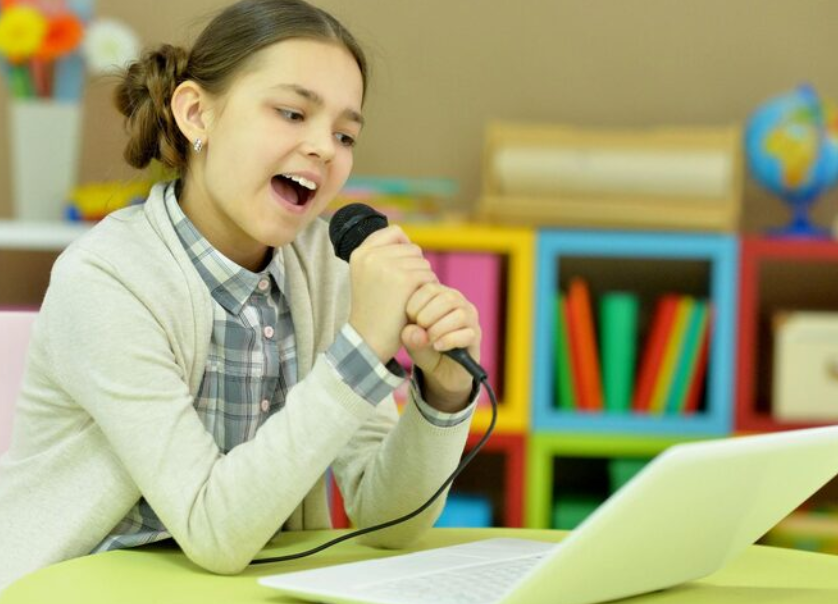
Speech to text programs are digital tools that recognize spoken words and automatically convert them into written text. Students can use a microphone to speak their thoughts, answers, or ideas while the software types the words on a screen. This technology makes written communication easier for students who find traditional writing methods challenging.
These programs are available on computers, tablets, and smartphones, making them convenient for classroom activities and home learning. Many tools also offer features such as voice commands, punctuation support, and text editing. With proper guidance, students can use speech to text programs to complete assignments, prepare notes, and improve their overall learning experience.
Making Writing Easier for Students
Writing can be challenging for students who have difficulty with spelling, handwriting, or typing. Speech to text programs allow them to speak naturally while the software converts their words into text. This reduces the physical effort involved in writing and allows students to focus more on their ideas.
For example, a student who struggles with handwriting can explain an answer aloud instead of spending extra time writing every word. This makes classroom activities, homework, and assignments more manageable. It also helps students complete their work with greater independence.
Supporting Students with Learning Disabilities
Students with learning disabilities, such as dyslexia and dysgraphia, may face difficulties with traditional writing tasks. Dyslexia can affect reading and spelling skills, while dysgraphia can make handwriting and written expression difficult. Speech to text programs provide another way for these students to communicate their knowledge.
By speaking instead of typing or handwriting, students can share their thoughts without focusing too much on spelling or letter formation. This technology can reduce frustration and help students feel more comfortable during learning activities. It also gives teachers another way to assess a student’s understanding of a subject.
Improving Learning for Students with Physical Challenges
Some students have physical conditions that make typing, holding a pencil, or writing for long periods difficult. Speech to text programs offer a practical solution by allowing them to complete written tasks through voice input.
Students can use these tools to prepare notes, answer questions, and complete assignments without relying heavily on physical movement. This improves accessibility and allows students to take part in educational activities more easily. As a result, they can focus on learning rather than the physical effort required to produce written work.
Building Confidence and Independence
Students may lose confidence when they struggle to complete tasks that seem easy for their classmates. Speech to text programs can help reduce these difficulties by providing an alternative method of communication. When students can express their ideas more easily, they may become more willing to participate in classroom discussions and complete assignments.
These tools also encourage independence. Students can prepare written work without always asking teachers, parents, or classmates for assistance. With regular practice, they can develop better communication skills and become more confident in their abilities.
Helping Teachers Create Inclusive Classrooms
Teachers can use speech to text programs to support students with different learning needs. These tools make it easier to provide flexible learning activities and give students different ways to demonstrate their knowledge.
Teachers should also introduce students to the correct use of this technology. Students may need guidance with microphone settings, voice recognition, punctuation, and editing. Since speech recognition is not always perfect, reviewing the final text is important for maintaining accuracy.
Conclusion
Speech to text programs play an important role in making education more accessible and inclusive. They support students who experience difficulties with writing, learning disabilities, or physical challenges. By making written communication easier, these tools encourage confidence, independence, and classroom participation. When teachers use speech to text programs as part of a supportive learning environment, students with different learning needs can enjoy more opportunities to succeed academically.