
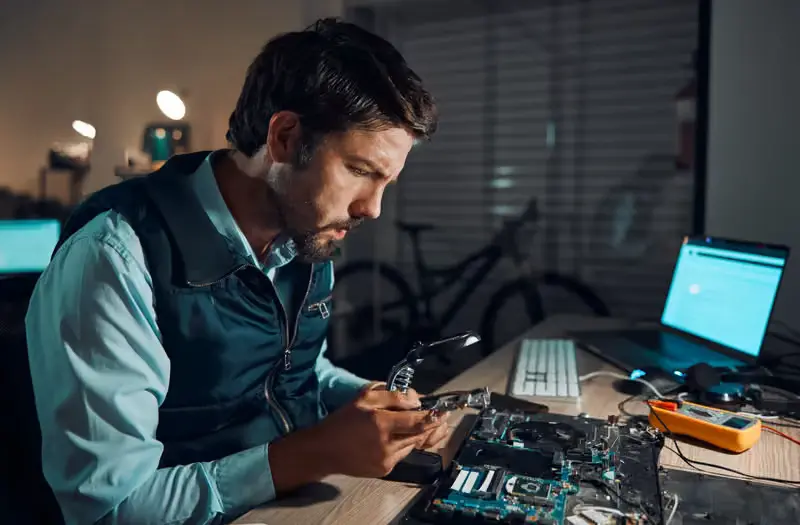
Technology plays a central role in how businesses and individuals work, communicate, and manage daily tasks. Reliable hardware and technical support are no longer optional. They influence productivity, security, operational costs, and long-term growth. Choosing an IT service provider therefore requires more than comparing prices or reviewing a list of available products. Customers need to understand the provider’s technical capabilities, service quality, hardware options, and ability to support changing requirements. Gear Techsolution IT services is a search term that reflects interest in evaluating technology support and hardware-related solutions. However, an informed decision should always depend on verifiable service information rather than assumptions. This guide explains how to assess technical support, customized hardware, IT management, security, and long-term value before choosing a technology solution.
Understanding the Technology Services Behind Gear Techsolution
An IT service provider can support several areas of technology management. These may include hardware troubleshooting, software configuration, device installation, network assistance, system maintenance, and technical guidance. The exact range of services varies between providers. Customers should therefore identify which services are actually available before making a decision.
The value of an IT provider often comes from how well different services work together. A business might need help configuring workstations, maintaining its network, and resolving software issues. An individual user may only need hardware diagnostics or assistance with a computer upgrade. In both situations, the provider should understand the underlying problem before recommending a solution.
When evaluating Gear Techsolution IT services, readers should look for clear descriptions of service coverage, technical processes, and customer support arrangements. General claims about comprehensive IT assistance are not enough. A useful provider explains what it can handle, what falls outside its responsibilities, and when additional specialists may be required.
Technical Support and Problem Resolution
Technical support is most valuable when it identifies the cause of a problem instead of repeatedly addressing its symptoms. A slow computer, for example, may result from insufficient memory, storage limitations, background applications, malware, or hardware failure. Replacing a component without proper diagnosis can increase costs without resolving the underlying issue.
A structured support process should begin with information gathering and troubleshooting. Technicians should understand the device configuration, operating environment, recent changes, and error messages. They can then test possible causes and recommend appropriate repairs.
Communication is equally important. Customers should receive understandable explanations of the problem, proposed solution, expected completion time, and possible costs. This makes technical support more transparent and reduces the risk of unnecessary work.
IT Service Coordination and Infrastructure Assistance
Organizations often use multiple devices, applications, networks, and cloud services. Managing these systems separately can create compatibility problems and inconsistent security practices. Coordinated IT assistance helps maintain a more stable technology environment.
A provider may assist with device configuration, network troubleshooting, software installation, and maintenance planning. However, businesses should confirm the provider’s actual capabilities and service boundaries. They should also establish who is responsible for system monitoring, backups, updates, and emergency support.
Custom Hardware Solutions and Their Practical Value
Standard hardware configurations do not suit every user. A basic office computer may handle documents and web applications effectively, but it may struggle with video editing, engineering software, data analysis, or demanding creative workloads. Customized hardware can address these differences by matching system components to specific requirements.
The main advantage of customization is better alignment between performance and cost. Instead of purchasing the most expensive available configuration, customers can prioritize the components that influence their actual workloads. This approach can reduce unnecessary spending while avoiding systems that become outdated too quickly.
However, customization requires careful planning. Components must work together, support the intended software, and fit the available budget. Customers should also consider future upgrades, warranty coverage, and replacement availability.
Matching Hardware Specifications to User Requirements
Processor performance, memory capacity, storage type, graphics capability, and connectivity all influence how a computer performs. Their importance depends on the intended workload. A business workstation used for spreadsheets and communication may not require a powerful graphics processor. A designer working with large visual files may need stronger graphics performance and additional memory.
Storage choices also matter. Solid-state drives generally offer faster access to data than traditional hard drives. Meanwhile, users who manage large files may need additional storage capacity or a separate backup solution.
The best configuration begins with a workload assessment. Customers should identify the applications they use, the number of tasks they run simultaneously, and the performance they expect. They can then compare hardware options based on measurable requirements rather than marketing language.
Compatibility, Upgrades, and Future Expansion
A powerful component does not automatically create a balanced system. The motherboard, processor, memory, power supply, cooling system, and operating system must be compatible. Incorrect combinations can cause installation difficulties, instability, or reduced performance.
Future expansion should also influence purchasing decisions. A system with available memory slots, storage connections, and suitable power capacity may offer more flexibility than a configuration with limited upgrade options. Customers should ask whether proposed hardware supports their expected development over the next few years.
This is especially important for growing businesses. Replacing an entire workstation fleet can be expensive. A well-planned hardware strategy allows organizations to upgrade selected components when practical.
Evaluating the Quality of Gear Techsolution IT Services
Evaluating a technology provider requires a consistent framework. Customers should examine technical expertise, service transparency, communication, reliability, and the provider’s ability to understand specific requirements.
Technical expertise should be relevant to the customer’s environment. A provider experienced in personal computer repairs may not necessarily have the resources to manage complex business networks or enterprise infrastructure. Customers should verify experience in the areas that matter to their projects.
Service transparency is another important factor. A professional proposal should explain the work involved, expected costs, estimated timelines, warranty conditions, and any exclusions. If a service description is vague, customers should request clarification before approving the work.
Customer communication can reveal how a provider approaches problem-solving. Technical recommendations should be explained in practical language. Customers should understand why a particular repair, component, or service is necessary. They should also know how to request assistance if the solution does not perform as expected.
Reliability requires more than a promise of quick support. It involves consistent procedures, accurate diagnostics, documented work, and clear escalation arrangements. Businesses with critical systems should establish response expectations before signing a service agreement.
When researching Gear Techsolution IT services, readers should distinguish verified information from promotional statements. Available service descriptions, customer feedback, written quotations, and direct communication can help build a more accurate picture. If important information cannot be confirmed, it should remain an open question rather than being treated as an established capability.
Security, Data Protection, and Responsible IT Management
Technology support can involve access to sensitive business and personal information. This makes security an essential part of any IT service evaluation. A provider may have access to computers, storage devices, network settings, or user accounts while diagnosing technical problems. Customers should understand how that access is controlled.
Basic security practices include operating system updates, endpoint protection, secure passwords, access restrictions, and regular backups. Network security may require firewall configuration, secure wireless settings, and monitoring for unusual activity. The appropriate measures depend on the type of information being handled and the risks facing the organization.
Data backups deserve particular attention. A working computer is not necessarily a secure computer. Hardware failure, ransomware, accidental deletion, or other incidents can make important files unavailable. A reliable backup strategy should include regular copies, protected storage, and periodic recovery tests.
Customers should also ask how technicians handle credentials and sensitive files. Temporary access should be limited to what is necessary. Passwords should not be shared through insecure channels, and unnecessary copies of customer data should not be retained.
Security responsibilities must be clear. Customers remain responsible for understanding their own data protection obligations, while providers should explain the safeguards included in their services. Written procedures can reduce confusion and improve accountability.
Business Applications and Everyday Technology Use Cases
IT requirements vary according to the size, purpose, and complexity of an organization. A small business may need dependable workstations, stable internet connectivity, and occasional troubleshooting. A larger organization may require coordinated device management, structured maintenance, network planning, and stronger security controls.
The value of an IT provider depends on how well its services address these practical needs. Businesses should avoid purchasing broad service packages when they only need a limited set of capabilities. At the same time, they should not underestimate requirements that could affect daily operations.
Supporting Small Businesses and Growing Organizations
Small businesses often operate with limited technical resources. When a computer, printer, network, or business application stops working, employees may lose valuable time trying to resolve the issue themselves. Access to suitable technical support can reduce these interruptions.
A practical IT plan may include workstation setup, software configuration, network maintenance, data backup procedures, and device replacement planning. Businesses should prioritize systems that support essential operations. They can then expand their IT arrangements as staffing, customer demand, and technical complexity increase.
Documentation is particularly useful during growth. Keeping records of device specifications, software licenses, network configurations, and maintenance history makes future troubleshooting easier. It also reduces dependence on one employee who may hold all technical knowledge.
Helping Individual Users and Specialized Workloads
Individual users have different expectations from their devices. Remote workers may prioritize reliable connectivity, battery life, and video conferencing performance. Gamers may focus on graphics capability, cooling, and display support. Creative professionals may need high memory capacity, fast storage, and compatibility with specialized software.
A suitable recommendation should reflect these requirements. It should not simply promote expensive hardware. Users should also consider repairability, warranty coverage, software support, and the cost of future upgrades.
Costs, Service Limitations, and Long-Term Value
The cost of IT services should be evaluated in relation to the results they provide. A low initial quotation may exclude important work, such as software configuration, data transfer, security setup, or post-installation support. A higher quotation may include these services, making the overall value more competitive.
Customers should compare total ownership costs rather than focusing only on the purchase price. Hardware expenses may include accessories, warranties, replacement components, electricity consumption, and future upgrades. Service costs may involve one-time repairs, recurring maintenance, emergency assistance, or support agreements.
It is also important to understand service limitations. A provider may support certain operating systems or hardware brands but not others. Some repairs may require specialist equipment or manufacturer involvement. These limitations should be communicated before work begins.
A written quotation can prevent misunderstandings. It should identify the requested work, included components, labor charges, expected timelines, warranty conditions, and additional fees. For recurring services, customers should review cancellation terms and renewal conditions.
Long-term value comes from reliability, suitability, and manageable maintenance costs. A slightly more expensive system may be worthwhile if it lasts longer and supports future workloads. Similarly, a maintenance agreement may offer value if it reduces costly downtime. The decision should be based on realistic usage and measurable benefits.
Potential Challenges When Choosing an IT Service Provider
Selecting an IT provider involves risks that may not be obvious during an initial conversation. One common challenge is unclear service coverage. Customers may assume that a support package includes every technical issue, only to discover that certain repairs or software problems require separate payment.
Hardware recommendations can create another problem. A system may appear powerful on paper but perform poorly if its components are unbalanced or incompatible with required applications. Customers should request explanations of specifications and confirm compatibility before purchasing.
Legacy systems also require careful attention. Older devices may depend on software that no longer receives security updates. Replacing them immediately may be expensive, but continuing to use them without safeguards can create operational and security risks. A phased replacement plan may provide a more practical approach.
Changing cybersecurity threats add further complexity. Security measures that were adequate several years ago may no longer be sufficient. Businesses should review access permissions, backup arrangements, software updates, and incident response procedures regularly.
To reduce these risks, customers should document requirements, verify provider capabilities, review warranties, and keep records of completed work. They should also agree on escalation procedures for problems that cannot be resolved through routine support.
A Practical Framework for Making the Right Decision
A structured evaluation makes it easier to compare IT providers objectively. Begin by documenting the current technology environment. List devices, operating systems, essential applications, network requirements, and known performance issues. For a business, identify which systems are critical and what downtime would mean financially.
Next, define the expected service outcome. A customer seeking a hardware upgrade needs different support from a business looking for ongoing infrastructure management. Clear requirements help providers recommend relevant solutions instead of generic packages.
Request a detailed proposal and compare it with at least one alternative where practical. Evaluate technical suitability, service coverage, pricing, communication, and long-term support. Ask for clarification when specifications or responsibilities are unclear.
A limited initial engagement can also help assess service quality. For example, a customer might begin with a specific hardware installation or technical assessment before committing to a larger project. This provides an opportunity to evaluate responsiveness, documentation, and problem-solving.
Finally, review the arrangement periodically. Technology changes, workloads increase, and security requirements evolve. An IT solution that works today may need adjustments later. Regular reviews help ensure that hardware and support services remain relevant.
Conclusion
Choosing an IT service provider requires a balanced assessment of technical expertise, hardware suitability, security practices, communication, and long-term costs. Gear Techsolution IT services should be evaluated through verified information about its actual offerings and how well they match specific customer requirements. Businesses and individuals should prioritize clear service agreements, compatible hardware, reliable troubleshooting, and responsible data management. A careful evaluation can prevent unnecessary spending and reduce technology-related disruption. The strongest IT decisions are not simply about purchasing better equipment or finding the lowest service price. They are about building a dependable technology environment that supports current needs while remaining adaptable to future demands.